
Introduction to Mobile Payments
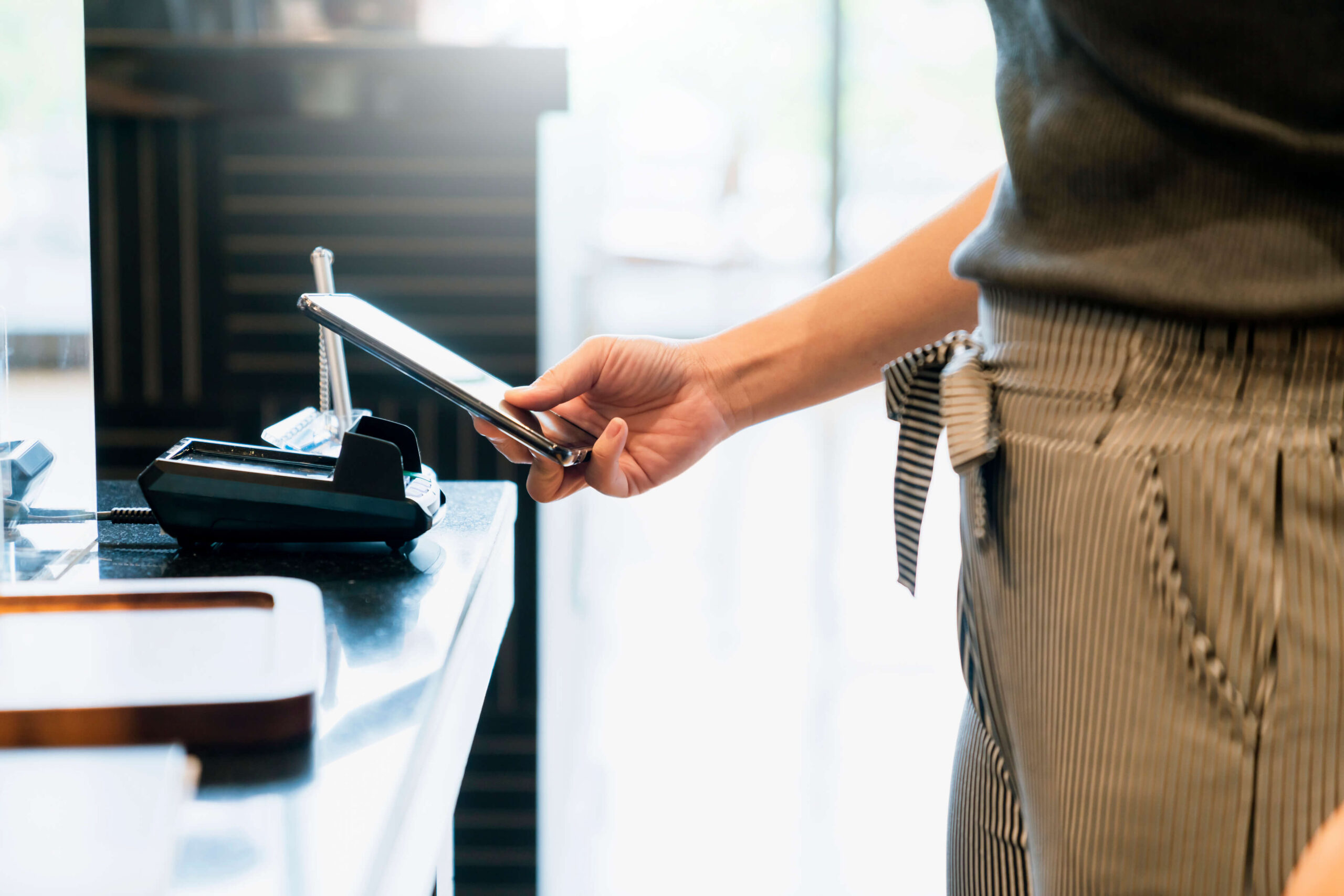
The way customers pay is changing fast and businesses that adapt are the ones that win. More shoppers are choosing mobile payments, especially near field communication (NFC) mobile payments, because they offer the speed, simplicity, and security today’s consumers expect. Instead of fumbling for credit cards or cash, customers can check out instantly using the mobile devices they already carry.
This shift is driven by the popularity of contactless payment options through Apple Pay, Google Pay, and other digital wallets. These solutions are designed to make transactions quick, easy, and virtually frictionless. A single tap is all it takes.
Behind this seamless experience is NFC technology, the technology that enables mobile devices to communicate with NFC-enabled payment terminals and process encrypted transactions in seconds. Paired with the rise of secure mobile wallets, shoppers now have an intuitive way to store cards, track spending, and complete purchases using their phones or smartwatches.
As more customers embrace NFC and mobile wallets, merchants have a valuable opportunity to create a faster, safer, and more modern payment experience. This guide breaks down how NFC works, how secure it is, and what businesses need to know to get started.
How NFC Works
NFC mobile payments rely on near field communication technology, which allows two devices, such as a smartphone and a payment terminal, to exchange encrypted information when placed just a few centimeters apart.
Here’s how NFC mobile payments work in practice:
- A customer holds their NFC-enabled phone or smartwatch near an NFC-enabled payment terminal.
- The devices communicate using low-power radio waves, establishing a secure, short-range connection.
- The customer’s digital wallet creates a unique, one-time token representing their card – not the actual card number.
- The payment processor verifies the token, authorizes the transaction, and the sale is completed, often in under a second.
NFC is a specialized form of radio frequency identification (RFID), designed specifically for secure, close-range exchanges. This intentional “tap-to-pay” distance helps prevent accidental transactions and reduces the likelihood of interception.
Because NFC transactions are contactless, the device never touches the terminal. This makes the experience smoother for customers and more hygienic, especially in environments where speed or sanitation matter.
Security of Contactless Payments
One reason contactless payments and NFC mobile payments have grown so quickly is that they’re among the most secure transaction methods available today.
Merchants and customers benefit from multiple layers of built-in protection:
- Tokenization
Digital wallets like Apple Pay and Google Pay replace sensitive card numbers with a unique digital token. The real card data is never shared with the merchant, never exposed during transmission, and never stored on the device. - Biometric Authentication
NFC payments often require biometric authentication, such as Face ID, fingerprint recognition, or device passcodes, before the payment can even be initiated. - Encrypted Communication
NFC transactions use encrypted radio-wave communication, making it extremely difficult for hackers to intercept usable information. - Payment Processor Security
Reputable payment processors and card networks layer on additional fraud monitoring, secure servers, and real-time alerts to keep transaction data safe. - Automatic Updates
Both mobile wallets and NFC devices receive automatic software updates, ensuring users always have the latest security patches.
Benefits of Mobile Wallets
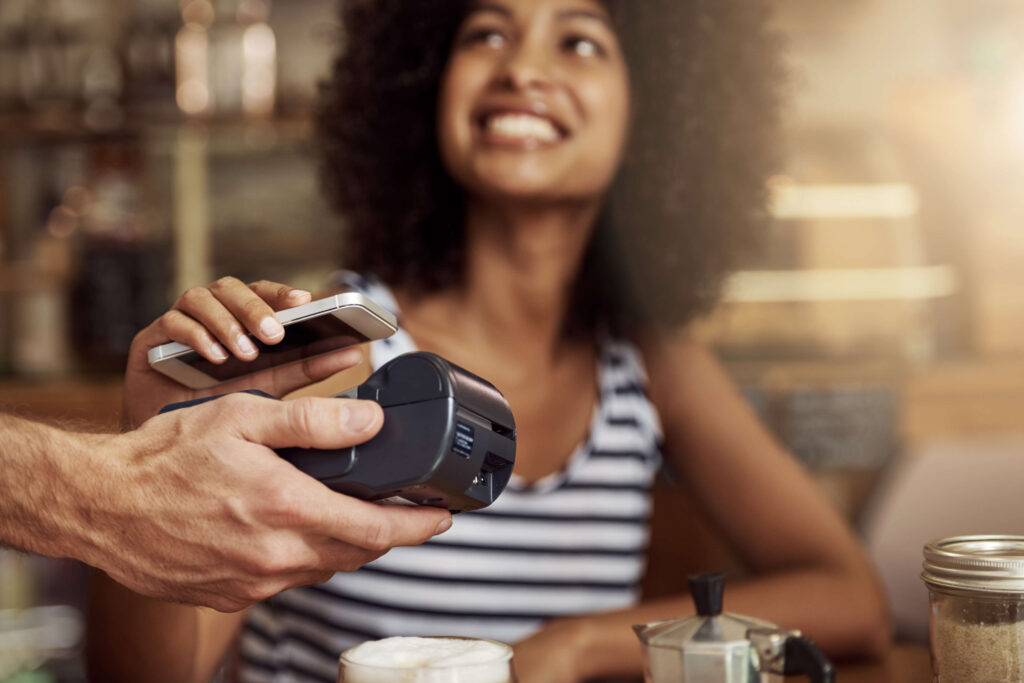
The rise of mobile payments is heavily tied to the convenience and versatility of mobile wallets. With digital wallet apps built into almost every smartphone, customers can securely store multiple cards without carrying a physical wallet.
Mobile wallets offer several merchant-friendly advantages:
- Convenience Customers Love
Since customers always have their phone nearby, they’re ready to pay instantly. No searching for cards, no slow chip reader dips – just a tap. - Reduced Risk of Lost or Stolen Cards
Digital wallets eliminate physical card usage, reducing exposure to theft, skimming, or accidental loss. - Enhanced Digital Engagement
Mobile wallets often include budgeting tools, transaction history, built-in loyalty cards, and rewards programs that keep customers coming back. - Faster Payments
With contactless payments, checkout becomes streamlined and efficient, especially during peak times. - Expanded Use Cases
Mobile wallets can also store loyalty cards, event tickets, transit passes, and gift cards.
For merchants, mobile wallets help create a smoother, more modern customer experience that aligns with how people live and shop today.
Implementing NFC Payments for Merchants
Adding NFC payments to your checkout process is easier than many merchants think. With the right equipment and processor, businesses can begin accepting NFC mobile payments within minutes.
Here’s what it typically involves:
- Upgrade to NFC-Enabled Payment Terminals
These terminals are compatible with tap-to-pay cards and mobile wallet transactions. Most modern terminals already support this functionality. - Confirm That Your Payment Processor Supports Contactless Payments
Payment processors must be able to authorize NFC transactions and handle tokenized data securely. - Train Staff
Your team should know how to prompt a customer to tap their device and what indicators to look for (beeps, screen messages, etc.). - Offer NFC Payments on the Go
Businesses such as food trucks, delivery services, and home-based professionals can accept NFC using mobile card readers or tablets with tap-to-pay capabilities. - Promote Contactless Options
Let customers know you accept mobile payments with clear signage, especially for Apple Pay and Google Pay users.
Beyond convenience, businesses that accept NFC payments reduce exposure to card-present fraud and eliminate issues tied to worn or damaged magnetic stripes. It also positions your business as modern and customer focused.
NFC Payment Processing
NFC payment processing ensures every tap-to-pay transaction is fast, accurate, and securely delivered to your merchant account. This processing flows through your NFC enabled terminal, your payment processor, card networks, and the issuing bank typically in just seconds.
Why NFC Payment Processing?
- Speed
NFC is one of the fastest forms of payment processing. Less waiting means more throughput and happier customers. - Lower Fraud Risk
Tokenization and encrypted communication significantly reduce the chances of stolen card data. - Improved Customer Experience
A quick tap feels effortless, and customers appreciate efficient checkout. - Support for In-Store and Online Payments
Many mobile wallets now support one-touch online checkouts, making it easier for customers to pay in your app or on your website. - Fewer Chargeback Risks
Tokenized transactions help minimize fraudulent dip-or-swipe claims.
For merchants looking to strengthen both security and efficiency, NFC payment processing offers reliable performance and long-term value.
Key Considerations for Merchants
Before adopting NFC payments, merchants should evaluate a few key areas to ensure a smooth transition:
- Customer Expectations
More customers expect contactless options and not offering them can result in lost sales or reduced loyalty. - Security Benefits
Understanding how tokenization, encryption, and biometric authentication protect both sides of the transaction helps your staff educate customers with confidence. - Equipment & Compatibility
Confirm that your NFC-enabled terminals and processors support the latest NFC standards and wallets. - Operational Impact
Faster checkout can help reduce lines, improve throughput, and increase customer satisfaction. - Loyalty Integration
Many businesses integrate loyalty programs with mobile wallets, allowing customers to earn rewards automatically at checkout.
Offering NFC payments at the point of sale isn’t just about technology; it’s about improving customer experience and keeping your business competitive.
The Future of Mobile Payments
The future of mobile payments is centered on speed, security, and personalization. NFC mobile payments will continue to expand across industries, from retail and restaurants to service providers and professional practices.
Several trends will shape what comes next:
- Advancements in artificial intelligence to detect fraud earlier and personalize customer experiences.
- Blockchain innovations that support even more secure transaction frameworks.
- Growing consumer adoption, especially among younger generations who prefer mobile-first interactions.
- More widespread contactless acceptance across all business sizes.
As these innovations roll out, NFC will remain a core technology for secure, instant communication between devices and payment terminals.
Common Mistakes to Avoid with Mobile Payments
Adopting mobile payments is simple, but avoiding common pitfalls ensures the best experience for both merchants and customers.
- Using outdated processors or terminals
Older systems may not support NFC or may create security vulnerabilities. - Failing to educate customers or staff
Clear prompts and simple signage make mobile payments feel natural and intuitive. - Skipping software updates
Keeping terminals and connected devices updated reduces security risks. - Not reviewing transaction history
Regular monitoring helps identify fraudulent patterns early. - Overlooking loyalty integration
Mobile wallets can support rewards and loyalty cards, which can be an easy way to increase repeat visits.
By avoiding these missteps, merchants can fully unlock the benefits of mobile and NFC payments.
Wrapping Up
Mobile payments, and NFC mobile payments in particular, are no longer optional. They’re an essential part of how customers expect to shop today. With built-in security features like tokenization and biometric authentication, NFC technology delivers one of the safest and most efficient payment experiences available.
For merchants, implementing NFC enabled payment terminals, supporting digital wallets, and partnering with a secure payment processor can lead to faster checkout times, improved customer satisfaction, and stronger loyalty. As innovation continues and customer adoption grows, NFC will remain at the center of the mobile payments ecosystem.
By embracing these payment methods now, businesses can stay ahead of customer expectations and create a streamlined, future-ready experience – one tap at a time.
Let’s chat about how NFC payments could help your business.

by Xplor Pay
-
First published: December 05 2025
Written by: Xplor Pay