
TL;DR
- Customers increasingly expect simple, flexible ways to pay based on what is most convenient for them.
- Offering options like contactless payments, mobile wallets, online payments, payment links, and self-service checkout can help create a smoother customer experience.
- Different situations call for different payment methods, from tapping a card at a counter to paying an invoice through a text or email link.
- More payment options can help reduce friction at checkout and make it easier for customers to complete a purchase.
- Businesses don’t need to offer every payment method. Focus on the options that best fit how, where, and when your customers pay.
- The right payment solution should provide customer flexibility without creating complicated or disconnected processes for your business.
Meeting Customer Expectations at Checkout
Think about the last few purchases you made. Maybe you tapped your card at a coffee shop, used your phone to pay for groceries, ordered lunch online before picking it up, or paid a bill through a link sent by text or email.
Consumers have more ways to pay than ever before. And as people get used to having those options in their everyday lives, their expectations are changing too.
Customers don’t necessarily expect every business to offer every payment method available. But they do increasingly expect businesses to make paying simple, convenient, and flexible.
For businesses, that means the checkout experience is becoming an important part of the overall customer experience.
Payment Preferences Have Changed
Not long ago, most businesses only had to think about a handful of payment methods: cash, check, or a physical credit or debit card. Today, the possibilities look very different.
Depending on the business and the situation, a customer may want to tap a card, use a mobile wallet, pay online, click a payment link from a text or email, or complete a transaction through a self-service option.
The important shift isn’t necessarily that everyone wants to use the newest payment technology. It’s that consumers have become accustomed to having a choice.
Think about the way people interact with businesses in other areas. Customers can shop online or in a store. They can order food at a counter, through an app, or from a kiosk. They can schedule appointments online instead of calling. They can communicate through phone, email, chat, or text.
People have gotten used to choosing whichever option is easiest for them at that moment. Payments are becoming the same.
Different Situations Call for Different Ways to Pay
There isn’t one payment experience that works perfectly for every business or every transaction.
- A customer standing at a busy checkout counter may prioritize speed. They may want to tap their card or use a mobile wallet and be on their way.
- Someone ordering lunch may prefer to order and pay online before arriving so they can quickly pick up their food.
- A homeowner working with a contractor may appreciate receiving a payment link by text after the work is complete instead of needing to provide card information over the phone.
- A customer at a quick-service restaurant may prefer a self-service kiosk where they can take their time reviewing options, customizing an order, and paying on their own.
he best payment experience often depends on where the customer is, what they’re buying, and what is most convenient in that particular moment. That’s why payment flexibility matters.
Contactless Payments Make Checkout Faster
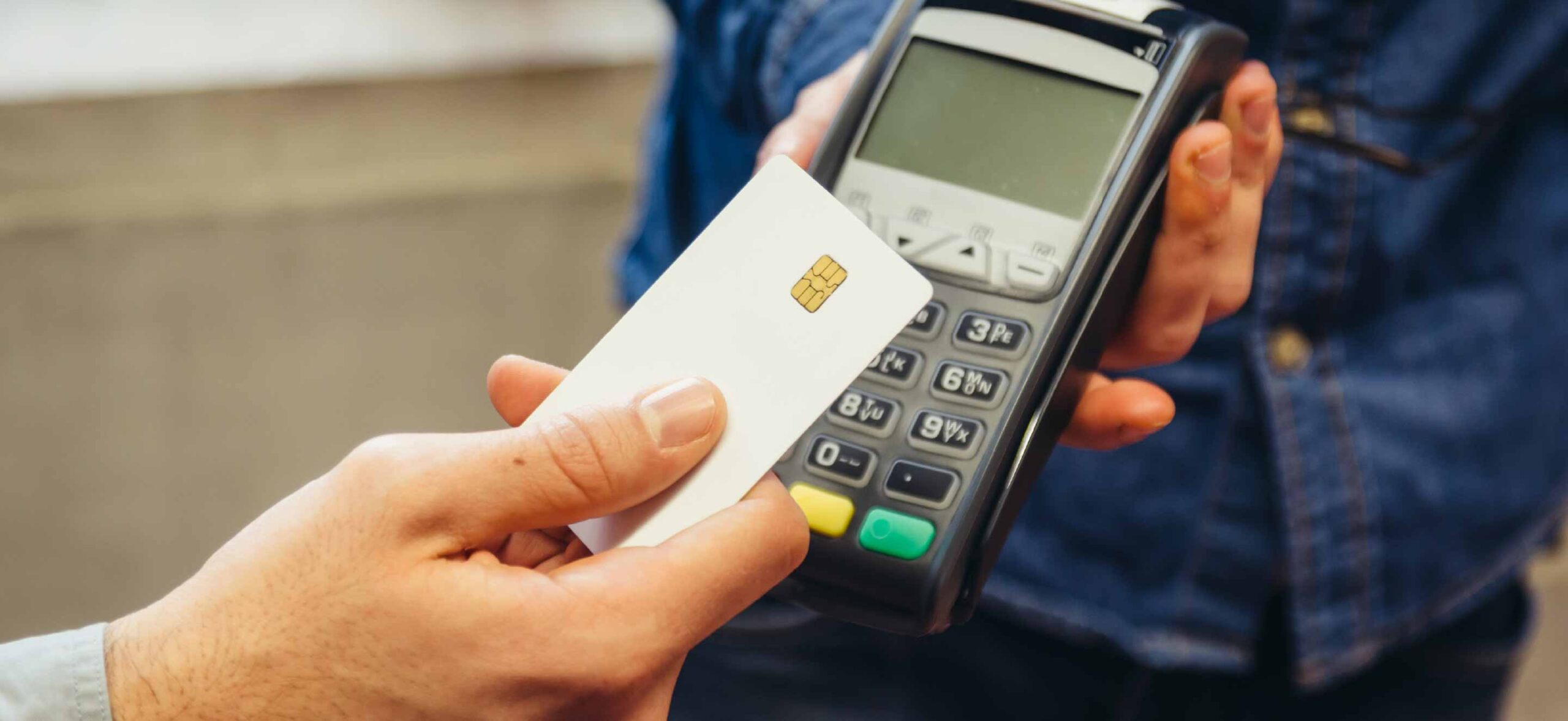
One of the most visible changes at checkout has been the growth of contactless payments. Near Field Communication, or NFC, technology allows customers to tap a compatible card, smartphone, or other device on a payment terminal to complete a transaction.
For customers, the appeal is simple: convenience. Rather than inserting a card or navigating additional steps, they can tap and complete the transaction quickly.
Contactless payments also provide a secure way to pay, giving businesses another option for creating a fast and seamless checkout experience.
And once consumers become familiar with that experience, they often begin looking for it elsewhere. A customer who regularly taps to pay at the grocery store, gas station, and coffee shop may naturally look for the same option at other businesses.
Customer expectations aren’t only shaped by your direct competitors. They’re also influenced by all of the experiences customers have throughout their day.
Mobile Wallets Give Customers Another Choice
Mobile wallets take that same convenience a step further by allowing consumers to use eligible payment cards stored on a compatible phone, watch, or other device. For customers who regularly use a mobile wallet, paying with their device can feel just as natural as pulling a card from their physical wallet.
But that doesn’t mean every customer wants to pay that way. Some customers love paying with their phone or watch. Others will reach for the same physical credit card every time. Others may still prefer cash. That’s the point of offering flexibility.
Customers shouldn’t have to dramatically change their normal habits just to complete a purchase with your business. Supporting multiple payment options can help give more customers an easy path through checkout.
Payment Links Bring Checkout to the Customer
Not every payment happens at a traditional checkout counter. For service businesses, contractors, professional services, and many other industries, the customer and the business may not even be in the same location when it’s time to pay. That’s where payment links sent by text or email can help bridge the gap.
For example, a contractor could complete a job and send the homeowner a link to pay from their phone. A service business could email an invoice that includes an online payment option. An employee speaking with a customer on the phone could send a secure payment link instead of manually taking card information.
The customer can open the link on their own device, review the amount, select an available payment method, and complete the transaction.
For the customer, it provides flexibility and control.
For the business, it can also help streamline the process by giving customers a convenient way to take action rather than requiring additional phone calls, visits, or manual steps.
Reduce Friction at the Final Step
Payment is often the final step in the customer journey. By the time someone reaches checkout, you’ve already done a lot of work. You’ve marketed your business, attracted the customer, answered their questions, provided a service or helped them choose a product, and convinced them to buy. The last thing you want is unnecessary friction when they’re ready to pay.
And payment friction doesn’t always mean a transaction is declined or fails completely. Sometimes it’s simply a process that takes longer than expected. Maybe a customer has to call the business when they’d rather pay online. Maybe they’re looking for a contactless option that isn’t available. Or perhaps employees have to manually enter payment information when there could be a more streamlined process.
Each extra step can make checkout feel more complicated than it needs to be. Offering the right mix of payment options for your business can help remove some of those barriers.
How Many Payment Options Does Your Business Actually Need?
The answer isn’t necessarily “as many as possible.” Adding technology simply for the sake of having more technology isn’t the goal. Instead, start by looking at how your customers interact with your business today.
Ask questions like:
- Where do customers typically pay: at a counter, online, at home, or on a job site?
- Are customers frequently waiting to pay?
- Are employees manually entering payment information?
- Do customers ask about mobile wallets or contactless payments?
- Are customers required to call your business when they could complete the payment digitally?
- Could a self-service option make certain transactions easier?
Those situations can help identify where an additional payment option could actually improve the experience.
And ideally, those options should work together behind the scenes as well.
Giving customers more flexibility shouldn’t require employees to manage several disconnected payment processes. The right payment technology and payments partner can help businesses find options that make sense for their customers while keeping payment operations manageable for their teams.
Make Paying the Easy Part
Customers may not choose a business solely because it offers their favorite way to pay. But they definitely notice when paying is harder than it should be. A smooth checkout experience removes one more obstacle between a customer deciding to buy and successfully completing their purchase.
Whether someone wants to tap a card, use their phone, pay through a text or email link, use a self-service option, or stick with a more traditional payment method, offering convenient choices can make it easier for customers to do business with you.
Convenience at checkout isn’t just a nice extra anymore. It’s increasingly part of what customers expect from the businesses they interact with every day.
You don’t need to offer every payment option available. You need to understand how, where, and when your customers want to pay and make that final step as simple as possible.
The right payment solution can help you give customers more ways to pay while keeping the experience simple for your business.
FAQs
Why should businesses offer multiple payment options?
Offering multiple payment options gives customers more flexibility to pay in the way that’s most convenient for them. A simpler checkout experience can reduce friction and improve the overall customer experience.
What payment methods do customers expect businesses to accept?
Expectations vary by business and customer, but common options include credit and debit cards, contactless payments, mobile wallets, online payments, payment links, and traditional methods like cash.
What are contactless payments?
Contactless payments use Near Field Communication (NFC) technology to allow customers to tap a compatible card, smartphone, or device on a payment terminal to complete a transaction quickly and securely.
What is a mobile wallet?
A mobile wallet allows customers to securely store eligible payment cards on a compatible smartphone, watch, or other device and use that device to make purchases.
What is a payment link?
A payment link is a secure link that allows a customer to make a payment online. Businesses can send payment links through text or email, giving customers the ability to pay from their own device without being physically present at a payment terminal.
How can offering more payment options improve the customer experience?
Giving customers more ways to pay can make checkout faster, easier, and more convenient. It allows customers to choose a payment method that fits their preferences and the situation.
Do small businesses need to offer every payment method?
No. Businesses should focus on the payment options that make the most sense for their customers and operations. Looking at where customers pay and where friction occurs can help identify which payment methods may provide the most value.
How can businesses decide which payment options to offer?
Start by looking at how customers currently pay and where the process could be easier. Consider whether customers pay in person, online, at home, or on a job site, as well as whether they frequently ask for contactless, mobile, online, or self-service payment options.

by Xplor Pay
-
First published: August 12 2026
Written by: Xplor Pay