
TL;DR
- You don’t need to offer every payment method available. Focus on the options your customers actually use.
- Every business should accept credit cards, debit cards, and contactless payments.
- Mobile wallets are increasingly popular and often easy to support if you already accept contactless payments.
- ACH payments can help reduce processing costs for businesses that send large invoices or work with other businesses.
- Automated invoicing makes it easier to get paid faster while reducing administrative work.
- Recurring payments are ideal for subscription-based or service businesses that collect payments on a regular schedule.
- Buy Now, Pay Later (BNPL) can be valuable for higher-ticket purchases but isn’t necessary for every business.
- An omnichannel payment strategy helps create a seamless customer experience across in-person, online, and invoice-based payments.
- The best payment solution isn’t the one with the most features; it’s the one that fits your business and makes it easy for customers to pay.
Do You Actually Need All These Payment Options?
It seems like every week there’s a new way for customers to pay. Credit cards. Debit cards. Mobile wallets. ACH transfers. Buy now, pay later. Automated invoicing. For small business owners, the growing list of payment options can feel overwhelming. You may find yourself wondering:
- Do I really need all of these?
- Which payment methods do my customers actually use?
- Am I losing sales by not offering certain payment options?
- How do I know what’s worth the investment?
The good news is that most businesses don’t need every payment method available. The key is understanding which options are essential, which provide added convenience, and which only make sense for certain business models.
Let’s break it down.
Start with the Basics: What Customers Expect
When customers decide to make a purchase, they expect paying to be easy. In fact, one of the fastest ways to lose a sale is to create friction during checkout. If a customer can’t pay using their preferred method, there’s a good chance they’ll abandon the purchase altogether.
That doesn’t mean you need to offer every payment option under the sun. It simply means you need to cover the methods your customers are most likely to use and make sure they run seamlessly.
For most small businesses, that starts with accepting:
- Credit cards
- Debit cards
- Contactless payments
If you can handle those three, you’re already covering the vast majority of payment preferences.
Must-Have: Credit and Debit Cards
Let’s start with the obvious one. Card payments remain the backbone of commerce. Whether customers are shopping in-store, online, or over the phone, they expect to be able to pay with a credit or debit card. Most consumers carry less cash than they did just a few years ago, making card acceptance more important than ever.
For most businesses, card acceptance isn’t a competitive advantage anymore; it’s simply the cost of entry. Customers expect the payment process to be quick, convenient, and secure, and accepting cards helps deliver that experience.
Beyond meeting customer expectations, card payments can provide several business benefits, including:
- Faster checkout experiences
- Improved cash flow
- Reduced cash handling
- Better sales tracking and reporting
- Increased average ticket sizes
If your business accepts cards today, you’re already meeting one of the most important customer expectations. If you don’t, you may be creating unnecessary friction at checkout and potentially missing out on sales from customers who prefer not to pay with cash.
Must-Have: Contactless Payments
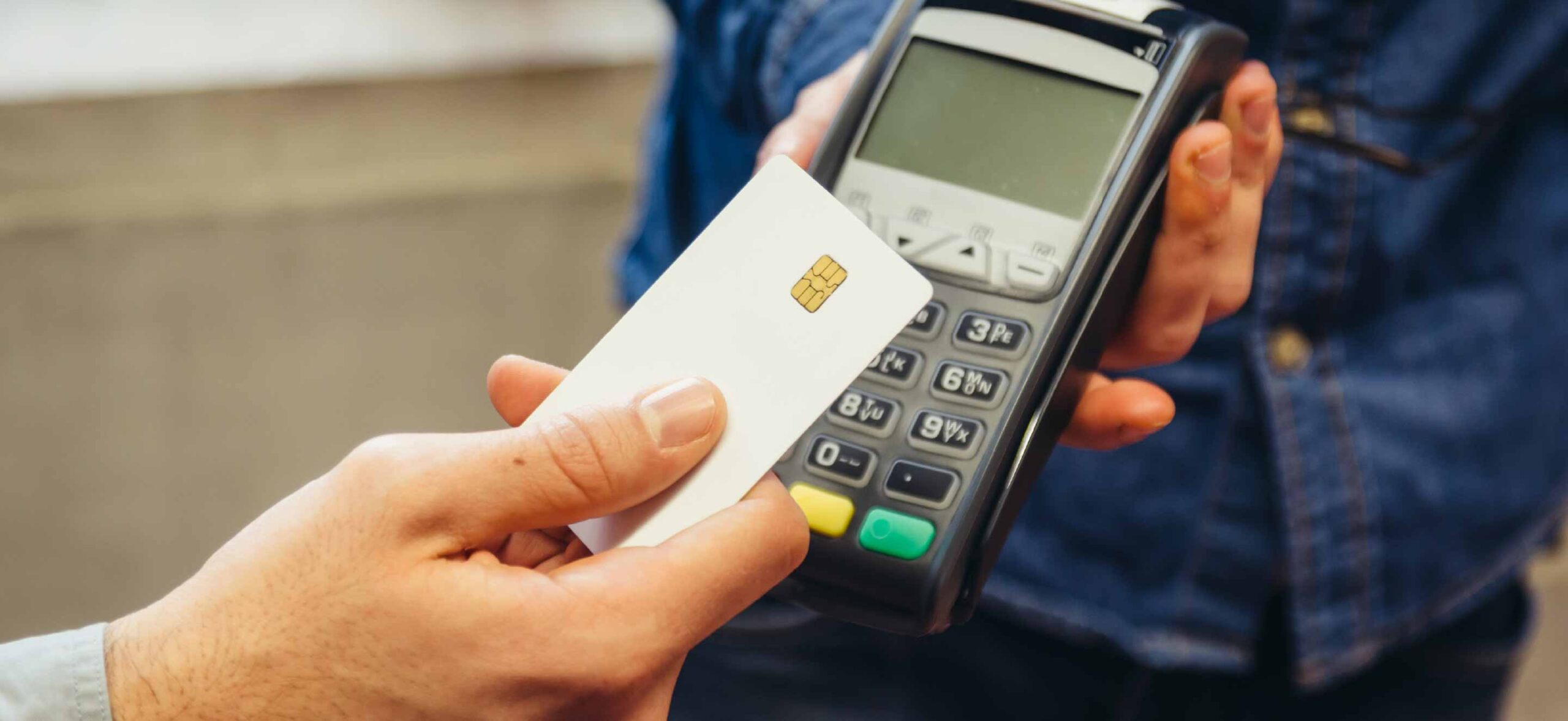
Contactless payments have quickly moved from a nice convenience to a standard expectation. Whether customers are tapping a card, using a smartphone, or paying with a smartwatch, they increasingly prefer fast, touch-free transactions.
The appeal is simple:
- Faster checkout times
- Improved customer experience
- Reduced physical contact
- Greater convenience
Many customers now instinctively look for the tap symbol before they even pull out a payment method.
The good news is that most modern payment terminals already support contactless transactions. If your equipment is up to date, you may already be offering this capability without realizing it. For businesses that haven’t upgraded their payment hardware in several years, this is often one of the easiest improvements you can make.
Nice-to-Have: Mobile Wallets
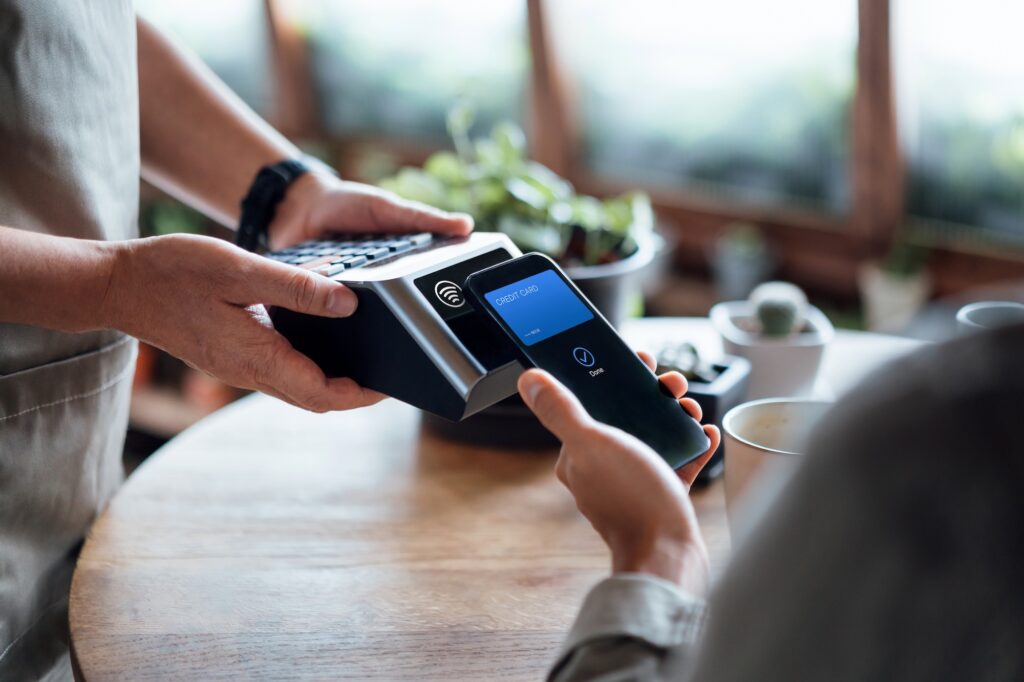
When people talk about payment trends, mobile wallets often dominate the conversation. Services like Apple Pay, Google Pay, and Samsung Wallet continue to grow in popularity, especially among younger consumers.
So, do you need them? Probably, but not because they’re replacing cards entirely. The reality is that mobile wallets are often just another way customers use the cards they already have. Instead of pulling a card from their wallet, they’re simply tapping their phone.
That means mobile wallets don’t usually require a major change to your payment strategy. If your payment system supports contactless transactions, mobile wallet acceptance is often already included.
The reason for offering mobile wallets isn’t because every customer demands them. It’s because some customers strongly prefer them.
When available, mobile wallets can help:
- Speed up checkout
- Improve customer satisfaction
- Create a more modern payment experience
- Reduce abandoned purchases
Think of mobile wallets as a convenience feature rather than a business necessity. They’re increasingly expected, but they shouldn’t be your primary focus.
Situational: ACH Payments
ACH payments are one of the most misunderstood payment methods available to small businesses. Many owners hear about ACH and wonder if they’re missing out on something important. The answer depends entirely on how your business gets paid.
ACH transfers can be particularly valuable for:
- Service businesses
- Contractors
- B2B companies
- Professional services firms
- Businesses with large invoices
Why? Because ACH transactions often come with lower processing costs than card payments.
For example, if you’re collecting a $10,000 invoice, accepting payment directly from a customer’s bank account may be significantly more cost-effective than processing a credit card transaction.
However, ACH isn’t always necessary for retail environments, restaurants, salons, or other businesses that primarily handle smaller, in-person transactions.
Situational: Automated Invoicing
One payment method that continues to grow in importance is automated invoicing. If your business currently sends paper invoices, collects payments over the phone, or waits for customers to mail checks, digital invoicing can dramatically improve efficiency.
Automated invoicing solutions make it easier than ever to get paid. Businesses can send invoices electronically, accept payments online, track payment status, and automate reminders all from a single platform. The result is a more convenient experience for customers, less administrative work for staff, and faster payments for the business.
Digital invoicing is especially valuable for:
- Consultants – Send professional invoices immediately after completing a project or milestone, making it easier for clients to review and pay online.
- Contractors – Create and send invoices quickly after a job is completed, helping reduce delays between finishing work and getting paid.
- Home Service Providers – Invoice customers from the field and offer convenient payment options, eliminating the need for paper invoices or follow-up phone calls.
- Professional Services Firms – Streamline billing for services such as accounting, legal, marketing, and consulting while maintaining a professional customer experience.
- B2B Organizations – Simplify accounts receivable by tracking invoice status, managing outstanding balances, and automating payment reminders for customers.
The goal isn’t simply to offer another payment method. It’s to remove friction from the collection process.
Situational: Recurring Payments
Not every business needs recurring billing, but for the right business model, it can be transformative. Recurring payments make sense when customers pay the same amount on a regular schedule.
Examples include:
- Memberships
- Subscription services
- Monthly maintenance plans
- Childcare programs
- Fitness studios
- Service agreements
Instead of manually collecting payments each month, recurring billing automates the process.
Benefits include:
- More predictable revenue – Automated billing creates a more consistent revenue stream, making it easier to forecast income and plan for future business expenses.
- Improved cash flow – Payments are collected on a set schedule, helping reduce delays and ensuring funds arrive more consistently.
- Fewer late payments – Because payments are processed automatically, businesses spend less time tracking down overdue invoices or sending payment reminders.
- Less administrative work – Automation reduces the manual effort required to create invoices, process payments, and manage collections, freeing staff to focus on higher value tasks.
- Better customer convenience – Customers don’t have to remember due dates or manually submit payments for each billing cycle, creating a smoother and more seamless experience.
If your business offers ongoing services, recurring payments are worth considering. If every transaction is unique, they may not provide much value.
Situational: Buy Now, Pay Later (BNPL)
Buy Now, Pay Later (BNPL) solutions allow customers to split purchases into multiple payments, often with little or no interest. While BNPL isn’t necessary for every business, it can be a valuable option for merchants that sell higher-ticket products or services.
BNPL is most commonly used in industries such as:
- Retail
- Home improvement
- Health and wellness
- Beauty and cosmetic services
- Specialty goods
For customers, BNPL can make larger purchases feel more manageable. For businesses, it may help increase conversion rates, reduce cart abandonment, and boost average order values.
That said, if your average transaction is relatively small, BNPL may not provide enough value to justify making it a priority. Like many payment options, its effectiveness depends on your customers, industry, and typical purchase size.
Don’t Forget About Omnichannel Payments
One of the biggest mistakes businesses make is focusing only on payment methods instead of the overall payment experience. Today’s customers interact with businesses in multiple ways.
They may:
- Visit your physical location
- Browse your website
- Call to place an order
- Respond to an invoice
- Make a payment from a mobile device
That’s where omnichannel payments become important.
An omnichannel approach simply means customers can pay you however they choose, whether that’s in person, online, through an invoice, or over the phone, while your business manages everything through a connected system. Instead of juggling multiple platforms, you gain visibility into transactions across every channel, making reporting and payment management much easier.
This creates a better experience for both your customers and your team. Customers get the flexibility they expect, while your business benefits from a more streamlined operation. As customer expectations continue to evolve, flexibility often matters more than adding the latest payment trend.
Wrapping Up: Which Payment Methods Do You Actually Need?
The right mix depends on how your business operates and how your customers prefer to pay. The goal isn’t to offer every payment method available. The goal is to make it easy for customers to do business with you.
When evaluating your payment strategy, focus less on chasing trends and more on removing friction. The easier you make it for customers to pay, the more likely they are to complete purchases, return in the future, and recommend your business to others.
In the end, the best payment solution isn’t the one with the longest list of features. It’s the one that supports your business, meets customer expectations, and helps you get paid quickly and efficiently.
Ready to build a payment strategy that fits your business, your customers, and your growth plans?

by Xplor Pay
-
First published: June 09 2026
Written by: Xplor Pay